
Beginner's Guide to Building a Portfolio

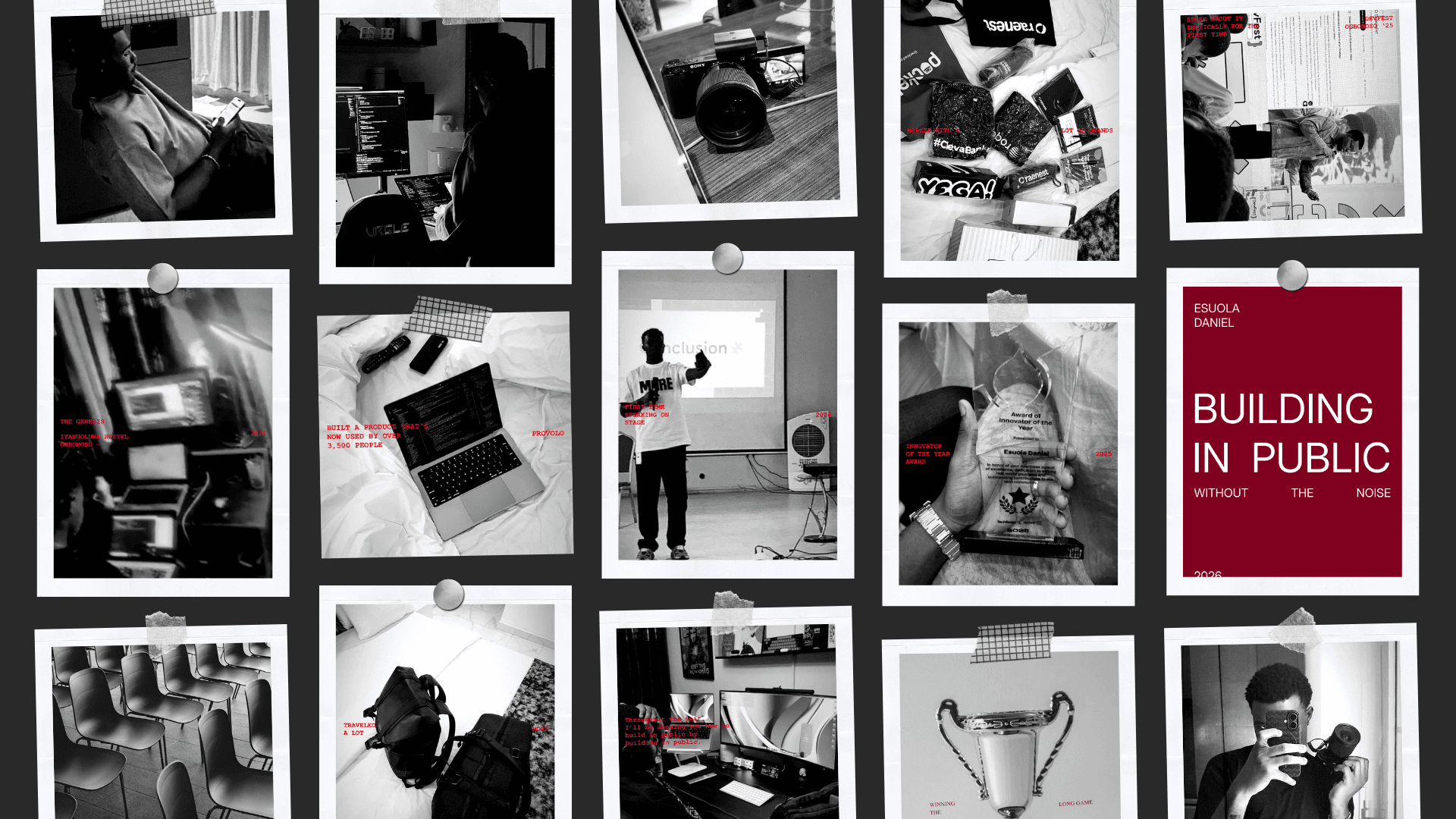
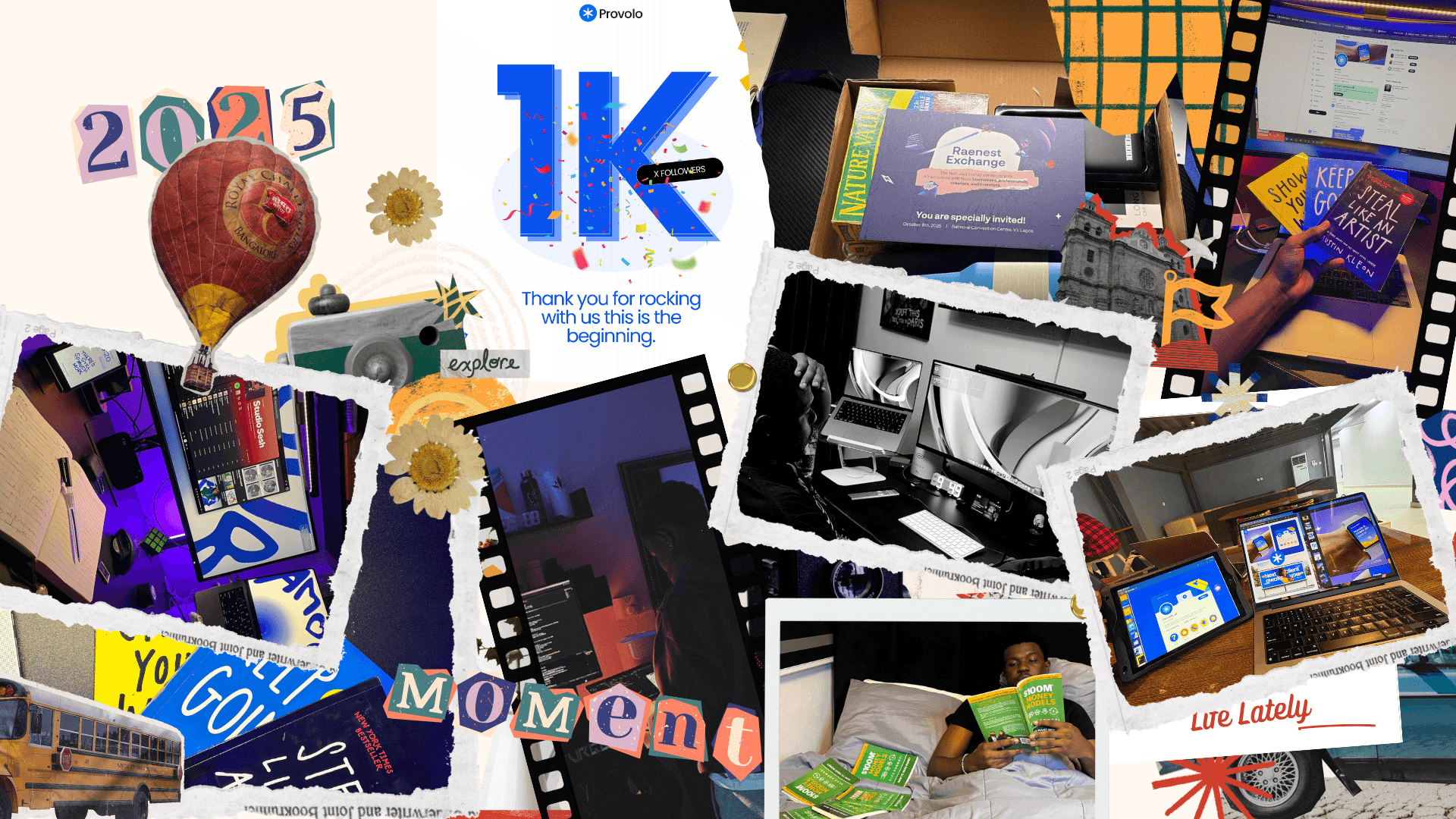
Daniel Esuola is a Frontend Engineer and AI practitioner with over 4 years of experience building intelligent, user-focused web applications. He combines expertise in React, Framer, and generative AI to craft seamless digital experiences that merge design, functionality, and intelligence. His technical work spans from AI model fine-tuning to developing products that improve creativity and workflow efficiency, impacting over 3,000+ users and freelancers globally. As the founder of Provolo, Daniel leads the development of an AI-driven platform that helps freelancers write smarter proposals and optimize their profiles for better results. Beyond product building, he is deeply passionate about community development and mentorship. Serving as the Team Lead for Google Developer Groups (GDG) Ogbomosho, he has helped train and mentor over 15 developers, organizing tech events and workshops that inspire innovation and collaboration within the local ecosystem. Outside of his technical engagements, Daniel is a creative at heart. He enjoys art, video editing, and content creation, often using these mediums as an outlet to explore storytelling and design from a different lens. This creative curiosity complements his technical work, inspiring him to build digital experiences that are both functional and emotionally engaging. Driven by curiosity, purpose, and innovation, Daniel continues to explore how AI and human creativity can coexist to create better tools, stronger communities, and a more inclusive future for technology.
You Don’t Need Clients to Build a Portfolio
Starting out as a freelancer with zero real-world projects? That doesn't mean you can't build a standout portfolio. In fact, you shouldn't wait for permission to start creating.
Here’s how to build proof of your skills—without waiting for clients.
1. Stop Waiting, Start Creating
Most clients won’t take a chance on someone who has nothing to show—even if you offer to work for free.
So instead of waiting for opportunities, create your own.
2. Reverse-Engineer Real Projects
Here’s a simple framework that works:
Pick an existing website or app
Spot a problem or area for improvement
Design a better solution
Examples:
Dentist’s website — Cluttered landing page? Redesign it to improve user experience and boost appointment bookings.
App landing page — Poor visuals and weak messaging? Optimize it for better conversions and more downloads.
Treat each project like it’s from a paying client. You could even go the extra mile and pitch the redesign to the actual business.
3. Showcase Your Work Early
Once you have two or three solid projects, build your portfolio site and publish them. Don’t get stuck perfecting it.
Your portfolio is a living document—it’ll evolve as you grow. Just get version one out there.
4. Action > Waiting
Every freelancer you admire started somewhere. The only difference is they started.
Start building today. Show your skills. Attract your first client. 💡
🥳 If you’ve read this far, you’re exactly the kind of person I create for!
Come hang out on Youtube Subscribe 👍 and turn on notifications ⏰ so you don’t miss what’s next.